
CELEBRITY
Trump Says US Starting to Talk With Cuba Following Cuts to Oil Deliveries

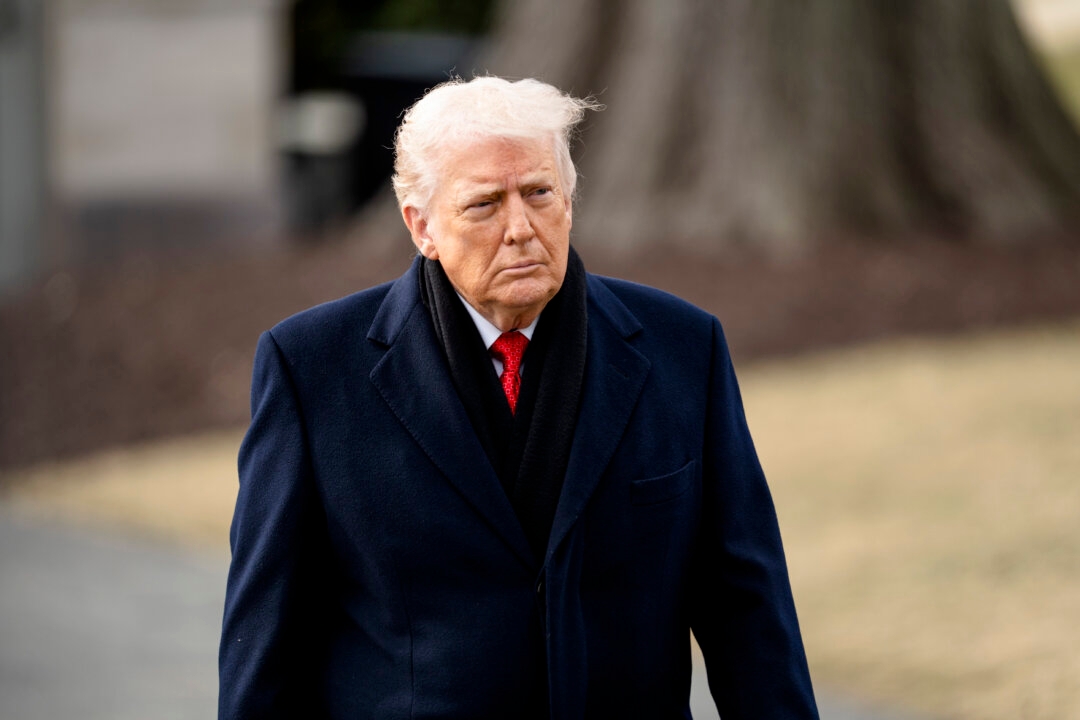
U.S. President Donald Trump said on Jan. 31 that his administration is starting to engage in talks with Cuban leaders after he moved to cut off oil deliveries from Venezuela and announced new tariffs on any countries selling petroleum to the communist-run island.
“We’re starting to talk with Cuba. They need help on a humanitarian basis,” Trump told reporters on Air Force One en route to Florida on Jan. 31. “A lot of people in our country were treated very badly by Cuba … we’d like to be able to have them go back to a vote in their country, which they haven’t seen in their country for many, many decades.”
Trump said he is working toward a deal in which Cuban exiles could theoretically return to the island and vote for the first time since before the culmination of Fidel Castro’s communist revolution in 1959, suggesting that the United States would “be kind” to the nation.
Earlier in his remarks, Trump said that Cuba doesn’t have to face a humanitarian crisis and that it would “probably come to us and want to make a deal so Cuba would be free again.”
“They have no money; they have no oil. They lived off Venezuela’s money and oil, and none of that is coming,” Trump said, noting that he had told the president of the island’s second-largest supplier of oil—Mexico—to stop sending petroleum to Cuba.
Trump did not offer further details on the discussions his administration is having with Cuban officials or what a negotiated deal with the country might look like.
The U.S. president’s comments come three days after he signed an executive order imposing new tariffs on any countries that “directly or indirectly” supply Cuba with oil.
“I find that the policies, practices, and actions of the Government of Cuba constitute an unusual and extraordinary threat, which has its source in whole or substantial part outside the United States, to the national security and foreign policy of the United States,” the executive order reads.
Trump’s order accuses the Cuban regime of aligning itself with Russia, China, Iran, and the Hamas and Hezbollah terrorist groups and states that opposing the communist regime is essential for U.S. national security.
Trump urged Cuba this month to strike a deal with his administration after the United States captured former Venezuelan leader Nicolás Maduro and pressured interim Venezuelan leader Delcy Rodríguez to redirect oil deliveries to the United States.
Last year, Venezuela was Cuba’s largest oil supplier, providing the Caribbean nation with 26,500 barrels per day, roughly one-third of Cuba’s daily needs. Mexico came in second, with significantly fewer barrels per day at 5,000.
Weeks before Trump’s remarks on Jan. 31, Cuban leader Miguel Díaz-Canel Bermúdez said he would not negotiate with the U.S. president.
Díaz-Canel posted a series of social media posts on Jan. 12, in which he said there are no conversations between his regime and Trump other than “technical contacts in the migration field.”
“We have always been willing to engage in a serious and responsible dialogue with the various governments of the United States, including the current one, on the basis of sovereign equality, mutual respect, principles of International Law, reciprocal benefit without interference in internal affairs and with full respect for our independence,” he wrote, according to a translation of his posts.
“As history demonstrates, relations between the U.S. and Cuba, in order to advance, must be based on International Law rather than on hostility, threats, and economic coercion.”










Incredible : serena williams’ most powerful legacy may be unfolding off the court as olympia’s support moves fans worldwide…

BREAKING: Jennifer Lopez Is Engaged Again… and Her New Fiancé Is a Total Curveball! JLo’s Surprise Proposal Goes Viral—Fans Can’t Handle Who She’s Marrying Now and you better sit down, because you might recognize him…

SHOCKING NFL NEWS! Travis Kelce of the Kansas City Chiefs secretly welcomed a baby with his longtime girlfriend. Fans are stunned by the baby’s name and meaning.

Happy 24th Birthday to Sasha Obama! 🎉

PATRICK MAHOMES’ DAUGHTER ARRIVES WITH A NAME SO SURPRISING IT’S TAKING OVER SOCIAL MEDIA — FANS CAN’T GET ENOUGH OF THE DEEP FAMILY CONNECTION AND THE STORY BEHIND IT!!

JUST IN: I DON’T WANT THIS TO BE THE LAST TIME I EVER SPEAK TO YOU” No one in the room was prepared for what happened next. After months of pressure, relentless headlines, and quiet battles fought far from the cameras, Donald Trump stepped forward to the podium once more.

Serena Williams is done with tennis, but she’s just getting started — and her next chapter might be even more powerful than her last.

JUST IN: Travis Kelce and Taylor Swift have just dropped a DOUBLE BOMBSHELL baby announcement….read more

BAD NEWS: Donna Kelce, 72, the beloved mother of NFL stars Travis Kelce and Jason Kelce, has just been confirmed… See more

BREAKING: Patrick Mahomes and his wife, Brittany Mahomes, have just shared extraordinary family news and it’s the arrival of TWINS that has everyone talking…Read More 👇

Big Congratulations! Jason Kelce and wife Kylie Kelce are sharing the happy news as the couple reportedly learned they are eight weeks pregnant with twins. Their joy is further amplified by the sweet revelation of the babies’ genders — much to the delight of their supporters. Join in their celebration and share in their joy
