
NEWS
Trump Speaks With Xi by Phone, Predicts ‘Positive Results’ Through Presidential Term

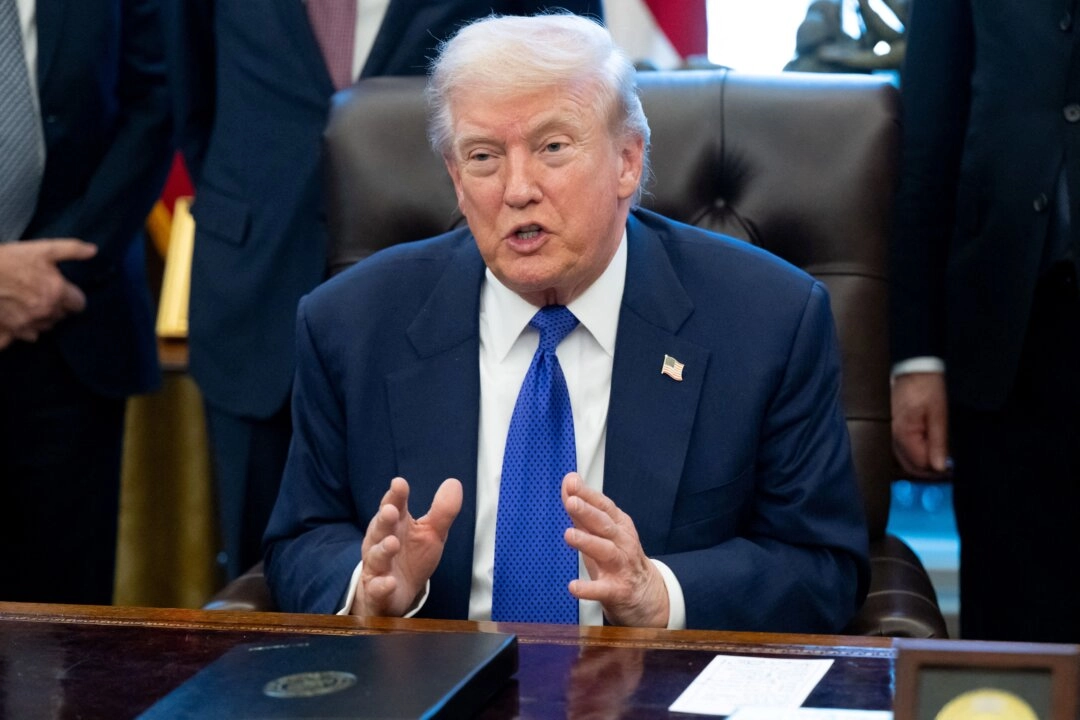
President Donald Trump said he spoke with Chinese Communist Party leader Xi Jinping by phone in a “long and thorough call” on Feb. 4, spanning many subjects ahead of the U.S. president’s April visit to China.
“Many important subjects were discussed, including Trade, Military, the April trip that I will be making to China (which I very much look forward to!), Taiwan, the War between Russia/Ukraine, the current situation with Iran, the purchase of Oil and Gas by China from the United States … and numerous other subjects, all very positive!” Trump wrote in a Truth Social post.
Trump said China would consider raising its soybean purchases to 20 million tons for the current season, up from the current 12 million metric tons.
China will also commit to purchasing 25 million tons of soybeans from the United States next season, according to Trump.
According to bulk shipping data analyzed by Signal Group, Brazil remains China’s primary soybean supplier even as purchases of U.S. goods resumed.
Trump described his relationship with Xi as “extremely good” and said “we both realize how important it is to keep it that way.”
He said he believed there would be “many positive results” achieved through the next three years of his term regarding China.
Trump and Xi last met in October 2025 in South Korea, extending a trade detente and securing Chinese cooperation to curb the fentanyl crisis. Trump will travel to China in April for another bilateral meeting.
The call took place the same day the United States hosted a new global summit aimed at weakening China’s monopoly on the critical minerals market.
Representatives from more than 55 countries attended the Critical Minerals Ministerial, with half planning to or expressing interest in joining a “preferential trade zone” that will establish price floors for critical minerals.
Secretary of State Marco Rubio said the goal was to prevent the kind of disruption that comes with a market monopoly, or “at worst-case scenario,” that monopoly being used as leverage against other countries.
Beijing had last year announced a new licensing regime that would subject all critical minerals sales to review by Chinese authorities. The international community condemned the move, seeing it as highly disruptive to the supply chain because it would severely slow down—if not cut off—the flow of critical minerals.
Vice President JD Vance said the price floors would be enforced through adjustable tariffs, allowing the predictable conditions that could attract the investment needed to open mines and processing centers.











Happy Birthday to Prince Harry, a global figure whose journey reflects service, resilience, and a commitment to making a positive difference in the world.

BREAKING: U.S President Donald Trump Has Just Been Confirmed… See More…👇👇

15 MINUTES AGO: Fox News Just Reported That U.S. Former President Joe Biden Has Just Been Confirmed… See More

BREAKING NEWS: Do Americans Approve of Trump’s Way of Ruling? Public Opinion Splits as Debate Over His Leadership Style Resurfaces

Trump says there are ‘dead people walking around with no legs’ in Iran

London in Shock!” Viral rumors suggest Catherine fainted moments before a major appearance—while cameras supposedly caught William and Harry arriving separately for an urgent family meeting.

Royal Symbolism: Experts Claim Princess Catherine’s Red & Black Look Was a Powerful Political Statement. WATCH FULL BEL0W

Trump Says He Can End All Middle East Wars With One Phone Call

Tragedy strikes the NFL: Legendary quarterback Tom Brady dead at 48 following a fatal accident.”

Taylor Swift’s Red Carpet appearance with Travis is nothing short of breathtaking. Her classic evening gown…See 9 Photos👇👇

Travis Kelce And Taylor Swift Are Known For Being Down-To-Earth, And This Rare Inside Exchange With A DJ Confirms It
